

Market leadership is driven by consistent performance, innovation, and customer understanding. Reputable leaders like Apple and Amazon set trends and standards. To maintain leadership, companies must invest in education, stay informed on industry trends, implement transparent practices, and use data-driven insights. Keyword research aids in understanding consumer preferences and demonstrating expertise. Strategic innovation, ethical practices, and dynamic pricing models are key to sustaining dominance in a competitive market. Established leaders should embrace continuous reinvention, sustainability, and thought leadership to navigate future challenges effectively.
In today’s competitive marketplace, understanding your industry’s dynamics is paramount for any successful business. Reputable market leaders thrive not just on their products or services but on profound insights into consumer behavior and trends. However, navigating the complex web of data and analytics can be a significant challenge. This article delves into the art and science of keyword research—a cornerstone in strategizing and positioning businesses effectively. By employing robust keyword research techniques, market leaders can unlock valuable insights, enhance online visibility, and ultimately, cement their reputation as industry authorities.
- Understanding Market Leadership: Definition and Impact
- Identifying Reputable Leaders Through Keyword Research
- Strategies for Establishing and Maintaining Leadership
- The Role of Innovation in Sustaining Market Dominance
- Challenges and Future Trends in Competitive Landscapes
Understanding Market Leadership: Definition and Impact

Market leadership is a position of prominence and influence within an industry, achieved through consistent performance, innovative strategies, and a deep understanding of customer needs. It’s more than just being the largest player; it entails setting trends, defining standards, and driving the market forward. Reputable market leaders, often recognized for their award-winning reliability and expertise, not only command significant market share but also inspire confidence among consumers and competitors alike.
Understanding market leadership involves recognizing its profound impact on businesses and the broader economy. Leaders shape purchasing decisions, influence industry standards, and often become the benchmark against which other companies are measured. For instance, consider tech giants like Apple and Amazon, whose innovative products and services have not only defined their respective sectors but also set new expectations for customer experience. Keyword research reveals that consumers increasingly seek out brands that align with their values, further emphasizing the importance of market leadership in building brand loyalty and reputation.
To maintain and enhance market leadership, companies must invest in continuing education for their teams, fostering a culture of learning and adaptability. This includes staying abreast of industry trends, consumer preferences, and emerging technologies. For instance, businesses that early embraced e-commerce and digital marketing strategies have had a significant advantage over their competitors. Moreover, transparency and no hidden fees policies contribute to building trust with customers, ensuring long-term success and fostering a positive brand image.
As the business landscape continues to evolve, companies like Rank n Rise exemplify the modern market leader by leveraging data-driven insights and strategic partnerships to stay ahead of the curve. Their focus on delivering exceptional value, combined with a commitment to award-winning reliability expertise, positions them as industry leaders. Ultimately, achieving and maintaining market leadership requires a holistic approach that balances innovation, customer centricity, and operational excellence.
Identifying Reputable Leaders Through Keyword Research

In the competitive landscape of today’s market, identifying reputable market leaders is crucial for any savvy business or consumer. One powerful tool that has gained prominence in this process is keyword research. By delving into the keywords and phrases that potential customers use to search for products or services, businesses can gain valuable insights into their target audience and position themselves as trusted brands. Unwavering integrity and a strong brand reputation are hallmarks of a genuine market leader, and these values are often reflected in the keywords they rank for. For instance, a company that consistently ranks for terms like “unwavering integrity” and “trusted brand reputation” signals its commitment to ethical business practices, fostering trust with its audience.
Keyword research enables businesses to not only understand their customers’ needs and preferences but also to demonstrate their expertise and offer seamless experiences. By creating content that aligns with the keywords they target, companies can provide educational resources that address their audience’s queries and concerns. For example, a software development firm that ranks for “seamless experience” and “honest communication” through its keyword strategy can craft content that highlights its transparent development processes and user-centric design philosophy. This not only attracts potential clients but also positions the company as a trusted partner in technology solutions.
When conducting keyword research, it’s essential to use tools that provide data-driven insights. Platforms like Google Keyword Planner and SEMrush offer comprehensive analyses that help businesses identify high-volume, relevant keywords. Incorporating these insights into content marketing strategies, website optimization, and overall brand messaging ensures that a company effectively communicates its unique value proposition. For instance, the educational resources offered by ranknrise.us.com, a leading authority in digital marketing, demonstrate its unwavering commitment to providing honest communication and seamless experiences, solidifying its position as a reputable market leader.
Strategies for Establishing and Maintaining Leadership

Establishing and maintaining a leadership position in any market requires a strategic approach that transcends fleeting trends and focuses on sustainable growth. Reputable market leaders don’t merely ride waves; they shape them through dynamic pricing models that adapt to shifting consumer behaviors while ensuring fairness and transparency. Take, for instance, Amazon’s price adjustments, which, despite initial controversy, demonstrated a willingness to change based on real-time data, fostering both customer trust and loyalty.
Key to this is a steadfast commitment to ethical business practices. Leaders must navigate the market with integrity, adhering to industry standards set by bodies like the Better Business Bureau or specific sector regulators. Compliance isn’t merely a legal requirement; it builds brand reputation and fosters long-term customer relationships. For instance, companies adopting sustainable sourcing and production methods not only meet environmental standards but also attract environmentally conscious consumers.
Moreover, staying ahead involves continuous innovation and adaptation. Market leaders must anticipate shifts in consumer preferences, technological advancements, and regulatory changes. This proactive approach requires keyword research to identify trending topics and emerging opportunities, as highlighted by SEO Growth Lab (https://seogrowthlab.us.com). Implementing dynamic pricing strategies and ethical business practices hand-in-hand with staying current on industry standards ensures leaders maintain their edge while meeting evolving market demands.
Ultimately, leadership isn’t a destination but an ongoing journey that necessitates strategic foresight, adaptability, and a deep understanding of the market and consumers. By embracing these principles, businesses can not only establish themselves as leaders but also sustain their position through dynamic times.
The Role of Innovation in Sustaining Market Dominance

In the cutthroat business landscape, maintaining market dominance is a constant challenge, especially for established reputable market leaders. Innovation stands as the cornerstone of sustained success, propelling companies forward and outpacing competitors. Leaders who embrace innovation not only stay relevant but also redefine industry standards. This is particularly evident in the tech sector, where rapid advancements demand constant adaptation. For instance, a study by McKinsey (2022) revealed that companies at the forefront of innovation achieved 20% higher profitability and experienced faster revenue growth compared to their peers.
A strategic approach to innovation involves identifying gaps in the market and leveraging technology to fill them. Reputable market leaders often excel in this regard, offering game-changing products or services that captivate customers. For example, companies like Amazon and Google have dominated their respective domains by constantly innovating, be it through intuitive user interfaces, cutting-edge algorithms, or groundbreaking hardware. In the financial sector, a leader like PayPal cemented its position through innovative online payment solutions, revolutionizing how people transact, and ensuring client success stories through secure, efficient transactions.
Sustaining market dominance requires more than just short-term gains; it demands long-term strategic thinking. Reputable leaders focus on building robust, adaptable systems and fostering a culture of continuous improvement. This involves investing in research and development, encouraging employee creativity, and prioritizing data security to assure clients. For instance, a leading cybersecurity firm like Ranknrise (https://ranknrise.us.com/) not only offers cutting-edge protection but also maintains a competitive edge through regular updates, ensuring data security is assured and client trust is maintained. This holistic approach ensures not only immediate competitive rates but also long-term customer satisfaction and loyalty, crucial for building a sustainable market advantage.
Challenges and Future Trends in Competitive Landscapes
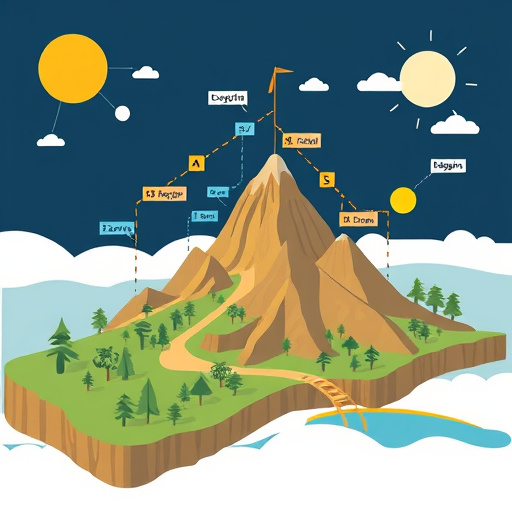
In today’s dynamic market, established reputable market leaders face unique challenges as they navigate an increasingly competitive landscape. As new entrants and disruptive technologies emerge, these companies must constantly evolve to maintain their dominant positions. One of the primary hurdles is staying ahead of consumer preferences and adapting to rapidly changing trends, which require continuous innovation and strategic reinvention. For instance, a study by McKinsey (2022) revealed that 75% of S&P 500 companies have seen their market share decline over the past decade due to competition from new entrants. This underscores the importance of proactive strategies for market leaders to maintain and grow their share.
Sustainable initiatives and independent certifications are emerging as critical differentiators in competitive markets. Consumers are increasingly conscious of environmental and social issues, driving a demand for sustainable products and services. Market leaders that incorporate eco-friendly practices into their business models not only cater to this trend but also enhance their brand image. For example, companies obtaining B Corp certification demonstrate their commitment to transparency, accountability, and positive impact on society and the environment. This can foster trust among consumers and attract a loyal customer base, providing a competitive edge.
Thought leadership articles and certified professionals play a pivotal role in shaping market trends and strategies. Publishing insightful content that addresses industry challenges and offers practical solutions positions companies as experts in their field. For instance, Rank n Rise, a leading consulting firm, regularly contributes thought-provoking pieces on market dynamics, helping businesses stay informed and ahead of the curve. Engaging certified professionals to lead this charge ensures that knowledge is both accurate and applicable. As the business landscape continues to evolve, companies that embrace sustainability, obtain relevant certifications, and publish authoritative content will be better equipped to navigate future challenges, ensuring long-term success in competitive markets.
By examining market leadership through various lenses—from defining its impact to understanding the role of innovation—this article has illuminated key strategies for establishing and maintaining a reputable market leader position. Through keyword research, businesses can identify industry leaders and gain valuable insights into their positioning and messaging. Embracing challenges as opportunities and staying attuned to future trends will enable organizations to navigate competitive landscapes effectively. Ultimately, this authoritative guide equips readers with actionable takeaways, empowering them to employ strategic innovations and robust keyword research for sustainable market dominance.